Crime Scene Cleanup
Crime scene cleaning after police release the property, from blood to odor.
See crime scene cleanupGet private suicide cleanup for blood, bodily fluids, affected materials and odor in a home, rental, workplace or vehicle in Clayton. You do not have to enter or clean the scene yourself.

Suicide cleanup is a private service that clears unsafe materials, blood and bodily fluids from a biohazard scene. It also includes disinfecting affected areas and treating the source of any odor.
The property must first be released once work by the medical examiner or coroner and law enforcement is finished. Cleaning is not part of their role. After release, suicide scene cleanup can be arranged by the family, the property owner or whoever is responsible for the space. Work may take place in a vehicle, workplace, hotel room, apartment or home.
Trained technicians follow a controlled cleaning method while wearing protective equipment. Their work includes checking surrounding surfaces, disinfecting items that can be saved and removing porous materials that have absorbed contamination. They prepare hazardous waste for proper disposal. Careful sorting is used for personal property, and whenever possible, you are included in decisions about meaningful belongings.
If you or someone near you may be in immediate danger, call emergency services. For emotional support in the United States, call or text the 988 Suicide and Crisis Lifeline. Cleanup should wait while people reach safety and until law enforcement releases the property.
Your insurance company or property manager can receive organized disposal paperwork, photographs, scope notes and records of affected items.
Your input guides careful decisions about keepsakes, photographs, documents and other belongings when a meaningful item might require removal.
An explanation of necessary cleaning, possible removal and cost factors can help you decide how to move forward.
Calls can be answered at any hour, and crews can arrive in unmarked vehicles to help protect your privacy at a home, rental or workplace.
Suicide cleaning services become necessary if bodily fluids or blood are left after the property is released by authorities. Scene conditions, surface types and the distance contamination spread determine the proper scope.
Cleaning can start only after law enforcement verifies the scene's release and the person in charge allows entry.
Photos, documents and keepsakes can be separated from contaminated items and discussed with you before anything important is removed.
Work in a shop, hotel, workplace or managed property can call for a contained area and coordination with the building's responsible person.
The affected apartment may require cleaning, while shared stairs, hallways and adjacent areas are inspected only if contamination might have reached them.
Start by keeping yourself safe. There is no need to enter the affected area to protect the scene or begin an insurance claim.
Call (888) 440-9227A published suicide cleanup guide lists a typical range of $1,500 to $5,500 per job. Broader crime scene guides show $2,500 to $15,000 for more involved work, and smaller scenes begin near $1,500 in those figures. These are planning ranges, not a quote. The surfaces affected, what must be removed, odor treatment and waste disposal set your price.
These ranges come from published national cost guides, not from a site visit. The price for your property is set after the on-site assessment, and you hear it before work starts.
Ask about cost: (888) 440-9227Homeowners, renters or commercial property insurance may cover suicide cleanup, but coverage, deductibles and required records depend on the policy and the loss.
Find out which item records, photographs, invoices and waste documents your insurance company requires. The family does not need to enter the affected area to create scene photos.
Ask your insurer whether biohazard cleanup, death cleanup, damaged structural materials and personal property receive coverage under the policy. Save your claim number and the adjuster's details.
Homeowners or renters insurance, the estate or the property owner usually pays for this kind of cleanup. The Colorado crime victim compensation program helps only when a crime caused the loss.
The family, tenant and owner of the property should examine applicable policies and the lease. Whoever controls the property generally gives access and approves the work.
Suicide cleanup begins with assessment and containment, followed by removing affected material, disinfecting, treating odor and documenting the work. Each stage is shaped by the materials present and the areas actually affected.
Before cleaning, cleanup technicians determine surface types, inspect the affected and surrounding areas, confirm release and record the scope.
The affected space is separated from clean areas, and technicians select protective equipment, clothing and gloves for possible bloodborne pathogen exposure.
Carpet, pad, drywall, upholstery or other porous material is removed when contamination soaked in and full disinfection is not possible.
An EPA-registered disinfectant goes onto cleaned hard surfaces and stays wet for the complete contact period required by its label.
Items that can be cleaned are separated from items that must leave, while you decide about anything with possible personal meaning.
Crews first remove whatever causes the odor. The next step may involve air filtering and other odor treatments chosen for the space, structure and materials that remain.
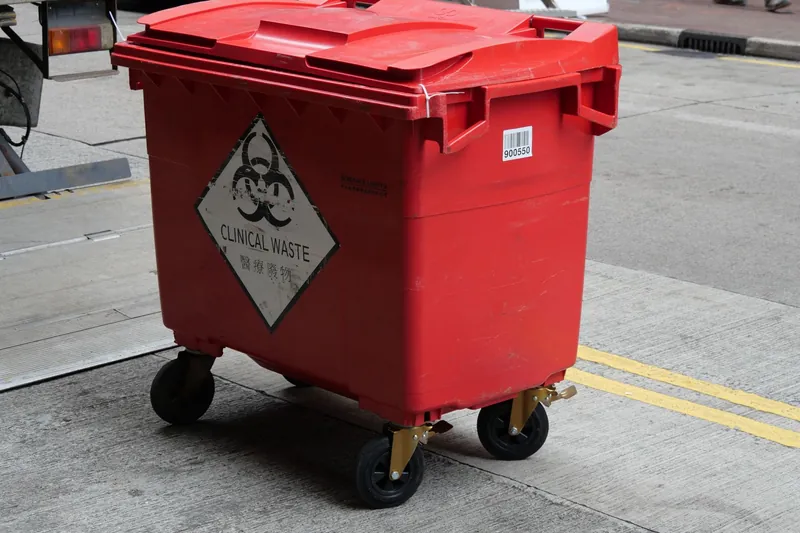
Once removed biohazard materials are in suitable containers, they move through the required waste disposal process for medical waste or hazardous waste.
The cleaned area is reviewed, records are organized for the insurance claim and any removed flooring, wall material or fixtures can be scheduled for replacement.
Call any hour. A suicide cleanup specialist answers, explains the steps and agrees a start time with you.
Blood and bodily fluids can expose you to bloodborne pathogens, and contamination can extend beneath or behind the surfaces you can see.
When disinfection cannot work on an absorbent material, it needs sealing, labeling, transportation and treatment under applicable state medical waste rules.
Entering the area may increase your distress at a difficult time. Professional cleanup allows you to remain away while someone calmly explains each practical choice.
Fluids can reach carpet pad, floor seams, baseboards, subfloor and wall cavities. Material beneath the surface can remain contaminated after the visible area is wiped.
Can you clean it yourself? A few fresh drops on a hard, non-porous surface may be cleaned with disposable gloves and an EPA-registered disinfectant used for its full label contact time. If fluid reached carpet, fabric, unfinished wood or drywall, or if you cannot see the full edge of the affected area, professional biohazard cleanup is the safer choice.
Keeping a surface is possible when thorough cleaning and disinfection can be completed. Porous material must come out if absorbed contamination cannot be treated with confidence.
The OSHA Bloodborne Pathogens Standard, 29 CFR 1910.1030, establishes requirements for worker training, protective equipment and procedures wherever blood exposure may happen.
A disinfectant used for blood should be EPA-registered for the intended use and remain on the surface for the complete contact time on its label.
Colorado treats waste that can cause infectious disease, including human blood and body fluids, as infectious waste. The Colorado Department of Public Health and Environment's medical waste rules apply to its handling, so it should not go in household trash. The work plan should account for required packaging, transportation and treatment of contaminated materials.
Colorado has no statewide medical examiner. Death investigation is county-based, led mostly by elected county coroners, with a few counties using a medical examiner or coroner. Cleanup starts after police or the coroner release the scene. No cleanup should start before the investigating agency confirms that it has released the scene.
The size of the area, its materials and any contamination within hidden layers determine how long cleanup takes. A small scene affecting hard surfaces is generally quicker than cleanup that calls for removing drywall, flooring or a large number of personal items.
The full suicide cleanup guide covers what is cleaned or removed, odor and air quality work, and the rules that apply in Colorado and Denver County.
Read the full suicide cleanup guideLocal housing, population and access details can shape containment, access and cleanup planning.
For an injury during discovery, National Jewish Health is the nearest listed hospital at approximately 2.4 miles away.
With Skyland, Cole, and Elyria Swansea close by, a complete address and entrance details keep the visit private and easy to find.
Because this is a neighborhood within Denver, cleanup access may depend on local parking, common entrances, or building management rules.
During your call, ask whether cleanup is available in surrounding communities and ZIP codes.
Crime scene cleaning after police release the property, from blood to odor.
See crime scene cleanup
Following accidents, violence or injuries, trauma scene cleanup addresses the affected area.
See trauma scene cleanup
Blood cleanup on carpet, hard floors, walls and furniture with safe disposal.
See blood cleanup
Home cleaning following a death includes affected possessions as well as fluid and odor cleanup.
See death cleanup
Careful work in the family home follows when a death is discovered quickly.
See attended death cleanup
Death odor removal at the source with air scrubbers, hydroxyl and ozone treatment.
See death odor removal
Biological remediation that removes contamination and returns a space to safe use.
See biohazard remediation
Medical waste removal covers disposal through an approved facility used for treatment.
See medical waste removalYes, but treatment starts with removing what causes the odor. Cleaning and disinfection, removal of untreatable materials and inspection of nearby spaces work together to address the odor source. Another odor treatment may follow, or the air may be filtered. Fragrance alone does not make contamination safe and merely covers the odor.
Each belonging is evaluated according to its material and contamination level. Items with intact hard surfaces can sometimes be cleaned, whereas deep contamination in fabric or porous property can make removal necessary. When safe conditions permit, separating photos, keepsakes, documents and other significant items allows you to participate in decisions about them.
A published cost range for suicide cleanup is $1,500 to $5,500. For more complex jobs, general biohazard and crime scene cleanup guides list possible costs reaching $15,000 for the work. Surface types, contamination that was absorbed, required odor work, materials taken out and waste disposal all affect cost. An assessment is needed to set the actual scope and price.
Technicians start by assessing and containing the affected area. After removing porous materials affected by bodily fluids, they clean hard surfaces and keep an EPA-registered disinfectant in place through the label contact time. Technicians carefully sort personal property, address odor at the source and package contaminated material for disposal under the relevant requirements.
How many spaces need work, which materials took in contamination and any required removal of wall material or flooring all affect the schedule. A contained hard-surface area often takes less time than a scene with several rooms, hidden layers, numerous possessions or extensive odor work. The assessment should clarify the expected work sequence.
Do not go into a scene where blood or bodily fluids are widespread or porous materials contain contamination. Serious health risks can result from hidden contamination and bloodborne pathogens, while common cleaning equipment may spread affected material. Unlike a few drops confined to hard material with a sealed finish, broader contamination or an area you cannot fully see calls for professional biohazard cleanup.
Discreet, respectful suicide cleanup, 24 hours a day, with crews in unmarked vehicles.